效果图可以做什么?
欢迎来到火星时代CG设计职业教育培训机构
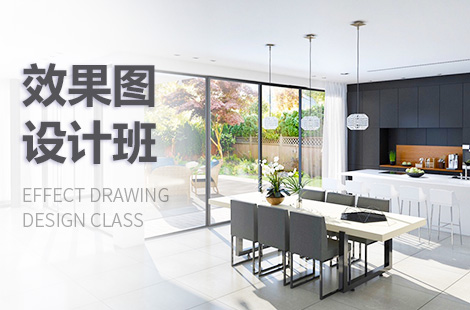
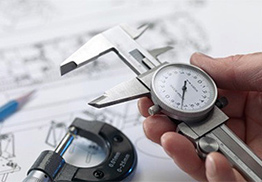

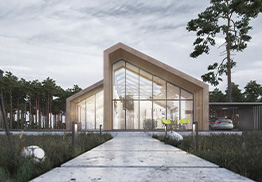
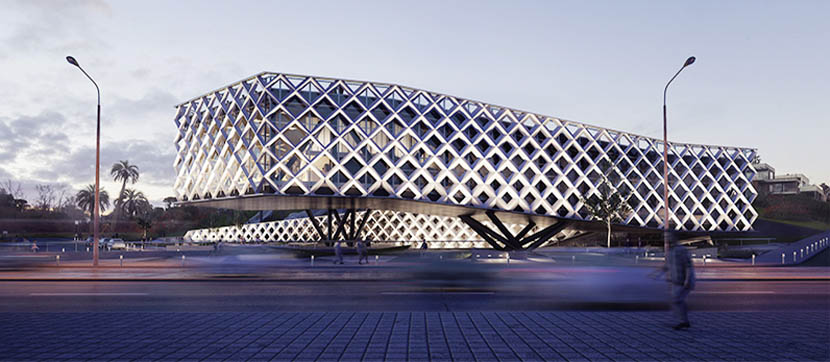

AutoCAD
用它设计你的界面

3ds Max
用它设计你的界面

Photoshop
用它设计你的界面

Vray
用它设计你的界面
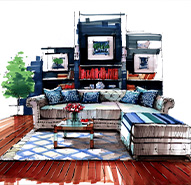
学习美术绘画技法
掌握空间色彩对比
熟练绘制各类效果
完整成熟呈现作品
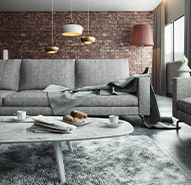
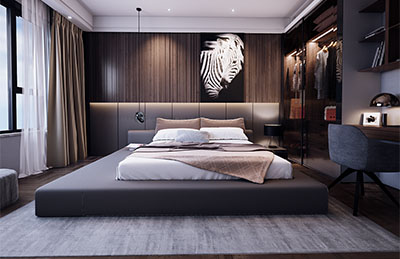
很注重室内的家装
室内空间渲染表现
室内装饰布局呈现
各类材质质感把控
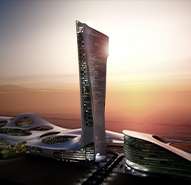
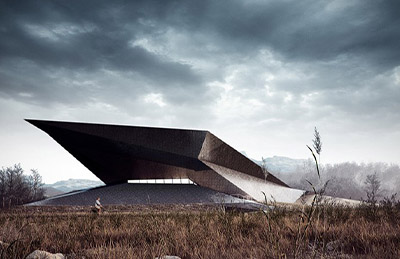
室外环境氛围表现
室外建筑本体效果
室外建筑空间把握
室外建筑渲染呈现
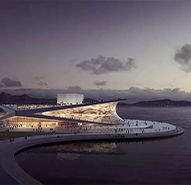
全景图刻画绘制
注重空间纵深度
室内外的效果图
效果图展示方式


免费试学
阶段

北美预科班
可送

行业大师
揭秘

企业专场
直招

全国就业
网络

相关课程推荐
 阳泉3d效果图培训
哈尔滨的火星时代教育在3D设计效...
阳泉3d效果图培训
哈尔滨的火星时代教育在3D设计效...
 丽江效果图培训班
要想真正掌握知识和技能,就得把理...
丽江效果图培训班
要想真正掌握知识和技能,就得把理...
 大连3d效果图培训
听起来很棒!那么具体的学习内容都...
大连3d效果图培训
听起来很棒!那么具体的学习内容都...
 包头建筑室内效果图培训
包头的火星时代教育室内装修效果图...
包头建筑室内效果图培训
包头的火星时代教育室内装修效果图...
1. 打开微信扫一扫,扫描左侧二维码
2. 添加老师微信,马上领取免费课程资源
 400-810-1418
北京火星时代科技有限公司
电信与信息服务业务经营许可证070738号
京ICP备12007420号-2
京公网安备1101050202547
400-810-1418
北京火星时代科技有限公司
电信与信息服务业务经营许可证070738号
京ICP备12007420号-2
京公网安备1101050202547
