离线场景
Offline learning scenarios can refer to various situations where students learn without being in a traditional classroom environment. Here are some examples of offline learning scenarios:
1. Self-directed learning: Students can use textbooks, educational videos, or online courses to learn at their own pace and schedule. They can pause, rewind, or review content as needed to ensure a thorough understanding.
2. Homework and assignments: Offline learning allows students to complete homework and assignments at home or in a remote location. They can access digital resources, submit assignments online, and receive feedback from teachers through email or online platforms.
3. Reading and research: Students can engage in reading and research activities offline by accessing libraries, books, and online resources. They can research topics of interest, take notes, and prepare for class discussions or presentations.
4. Practice and revision: Offline learning provides opportunities for students to practice and revise their skills and knowledge through worksheets, practice tests, and revision guides. They can use these resources to improve their performance in areas where they need extra practice.
5. Collaborative projects: Even though offline, students can still collaborate on projects with classmates and teachers. They can use email, messaging apps, or online collaboration tools to discuss ideas, share resources, and work together on assignments or projects.
6. Interest-based exploration: Offline learning scenarios provide students with the freedom to explore their interests and passions. They can learn new skills through tutorials, workshops, or online courses related to their interests, which helps them develop a broad range of knowledge and skills.
In offline learning scenarios, it's important for teachers to provide clear instructions, guidance, and feedback to ensure that students are able to learn effectively without being in a traditional classroom setting. Additionally, students need to have access to reliable internet, appropriate learning materials, and a suitable learning environment to ensure successful offline learning.
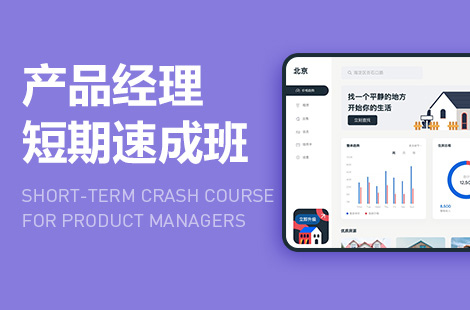












 重庆产品经理培训课程
想要成为产品经理,不必从零学起设...
重庆产品经理培训课程
想要成为产品经理,不必从零学起设...
 漯河产品经理培训班
学习之路不是“不归路”,短短四到...
漯河产品经理培训班
学习之路不是“不归路”,短短四到...
 自贡产品经理培训课
自贡产品经理培训的费用大概在几千...
自贡产品经理培训课
自贡产品经理培训的费用大概在几千...
 400-810-1418
北京火星时代科技有限公司
电信与信息服务业务经营许可证070738号
京ICP备12007420号-2
京公网安备1101050202547
400-810-1418
北京火星时代科技有限公司
电信与信息服务业务经营许可证070738号
京ICP备12007420号-2
京公网安备1101050202547
